

By using this site, you agree to the Privacy Policy and Terms of Use.
Accept

Your #1 guide to start a business and grow it the right way…

  • Home
  • Startups
  • Start A Business
    • Business Plans
    • Branding
    • Business Ideas
    • Business Models
    • Fundraising
  • Growing a Business
  • Funding
  • More
    • Tax Preparation
    • Leadership
    • Marketing
Subscribe
Aa
BrandiaryBrandiary
  • Startups
  • Start A Business
  • Growing a Business
  • Funding
  • Leadership
  • Marketing
  • Tax Preparation
Search
  • Home
  • Startups
  • Start A Business
    • Business Plans
    • Branding
    • Business Ideas
    • Business Models
    • Fundraising
  • Growing a Business
  • Funding
  • More
    • Tax Preparation
    • Leadership
    • Marketing
Made by ThemeRuby using the Foxiz theme Powered by WordPress
Brandiary > Startups > Hurricane Helene Destroyed Roads. Here’s How to Rebuild—and Flood-Proof Them for Next Time

Hurricane Helene Destroyed Roads. Here’s How to Rebuild—and Flood-Proof Them for Next Time

News Room By News Room October 15, 2024 3 Min Read
Share

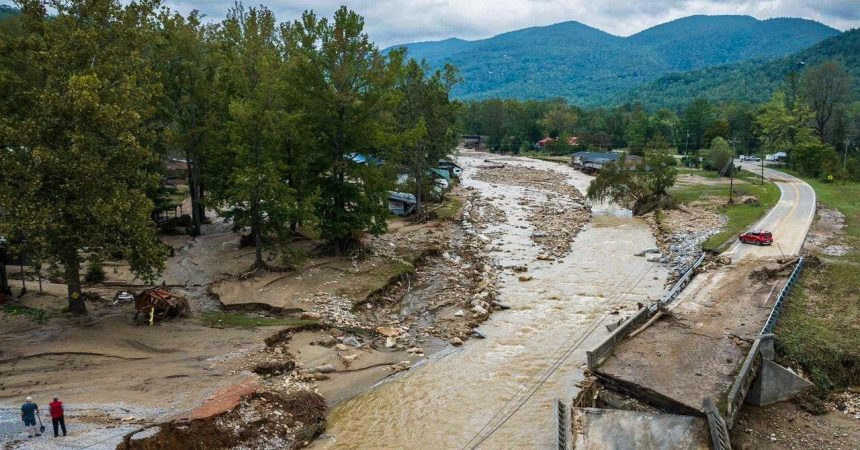
Typically, Muench says, the solution isn’t something too complicated: Just build infrastructure higher. But engineers can’t build roads and bridges to survive every disaster, which would lead to expensive, overbuilt projects that would “take generations to finish,” says Muench.

‘Rice Krispie’ Roads

When engineers are rebuilding roads from scratch, they have also started to use different materials to account for the possibility of lots of water arriving really quickly. In the past decade, road builders have increasingly installed more permeable, “spongy” roads.

Pervious concrete, unlike regular concrete, usually excludes sand from the typical “gravel, sand, cement, water” recipe. It also has a lower water-to-cement ratio, which creates a thick paste before it dries. “It’s like caramel popcorn, or a Rice Krispie bar,” says Nara Almeida, who studies the material as an assistant teaching professor in the civil engineering program at the University of Washington Tacoma.

On normal concrete roads, water pools and collects, with the stagnant water eventually damaging its various layers, and especially critical underlying ones, which bear vehicles’ heavy loads. But the increased porosity of pervious concrete allows water to flow through the material more easily, so it can reach and be absorbed into the ground—a nice feature for roads subject to lots of wetness.

Pervious concrete does have its downsides. It’s weaker than normal concrete, which means it’s a better fit for sidewalks, parking lots, and low-traffic streets than interstates that expect a lot of heavy trucks. (Research into reinforcing the material with steel, natural, glass, and synthetic fibers is ongoing.) Its porosity means it’s not a great fit for cold climates, where water can seep in, freeze, and break down the material inside. The concrete also needs regular pressure washing or vacuuming, to “unclog” it from the sort of material often found on the roadway—dust, leaves. Because states sometimes have to switch vendors and processes to use the newer material, the projects might cost them more. But some places have put the material on the shoulders of interstates, says Almeida, which are much less likely to get regular tire poundings.

Ultimately, though, there’s not a lot that can be done when a huge volume of water quickly flows across a roadway or the base of a bridge, which engineers call “scour.” “We’ve all played in the backyard with water and hoses—it’s very damaging,” says Muench, the engineering professor. Part of climate resilience is planning ahead—and staging the quick-fix materials nearby—so communities can rebuild quickly.

Read the full article here

News Room October 15, 2024 October 15, 2024
Share This Article
Facebook Twitter Copy Link Print
Previous Article Sisters’ Side Hustle Earns $45M+ After a ‘Light Bulb Moment’
Next Article The ad-tech world’s newest buzzword is ‘curation’
Leave a comment Leave a comment

Leave a Reply Cancel reply

Your email address will not be published. Required fields are marked *

Wake up with our popular morning roundup of the day's top startup and business stories

Stay Updated

Get the latest headlines, discounts for the military community, and guides to maximizing your benefits
Subscribe

Top Picks

Netflix buys Warner Bros. Discovery in deal valued at $83 billion
December 6, 2025
Spotify Wrapped is for advertisers, too
December 5, 2025
Ruby Is Not a Serious Programming Language
December 5, 2025
What’s happening with social media bans?
December 4, 2025
The Rare Earth Metal Driving Tensions Between the US and China
December 4, 2025

You Might Also Like

Ruby Is Not a Serious Programming Language

Startups

The Rare Earth Metal Driving Tensions Between the US and China

Startups

Flock Uses Overseas Gig Workers to Build Its Surveillance AI

Startups

Sam Bankman-Fried Goes on the Offensive

Startups

© 2023 Brandiary. All Rights Reserved.

Helpful Links

  • Privacy Policy
  • Terms of use
  • Press Release
  • Advertise
  • Contact

Resources

  • Start A Business
  • Funding
  • Growing a Business
  • Leadership
  • Marketing

Popuplar

Why Cinemark is testing an industry-first brand campaign
Flock Uses Overseas Gig Workers to Build Its Surveillance AI
Blended and branded: The business behind Erewhon smoothie collabs

We provide daily business and startup news, benefits information, and how to grow your small business, follow us now to get the news that matters to you.

Welcome Back!

Sign in to your account

Lost your password?