


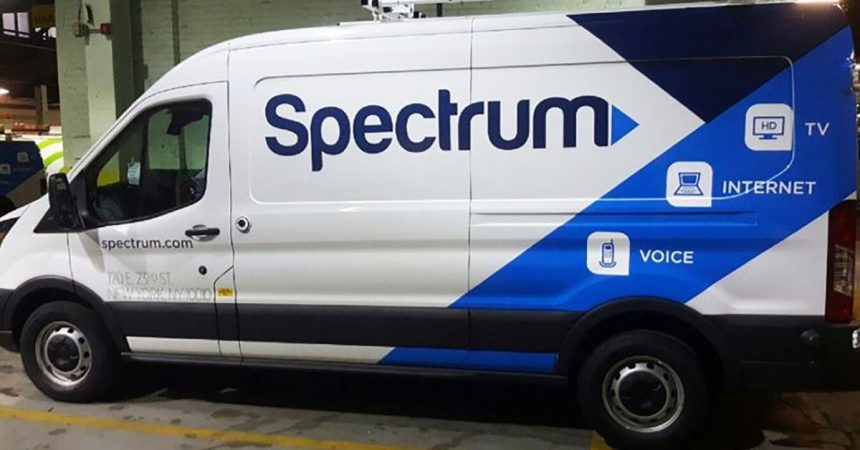
The death of the US government’s Affordable Connectivity Program (ACP) is starting to result in disconnection of internet service for Americans with low incomes. On Friday, Charter Communications reported a net loss of 154,000 internet subscribers that it said was mostly driven by customers canceling after losing the federal discount. About 100,000 of those subscribers were reportedly getting the discount, which in some cases made internet service free to the consumer.
The $30 monthly broadband discounts provided by the ACP ended in May after Congress failed to allocate more funding. The Biden administration requested $6 billion to fund the ACP through December 2024, but Republicans called the program “wasteful.”
Republican lawmakers’ main complaint was that most of the ACP money went to households that already had broadband before the subsidy was created. Federal Communications Commission chair Jessica Rosenworcel warned that killing the discounts would reduce internet access, saying an FCC survey found that 77 percent of participating households would change their plan or drop internet service entirely once the discounts expired.
Charter’s Q2 2024 earnings report provides some of the first evidence of users dropping internet service after losing the discount. “Second quarter residential Internet customers decreased by 154,000, largely driven by the end of the FCC’s Affordable Connectivity Program subsidies in the second quarter, compared to an increase of 70,000 during the second quarter of 2023,” Charter said.
Across all ISPs, there were 23 million US households enrolled in the ACP. Research released in January 2024 found that Charter was serving more than 4 million ACP recipients, and that up to 300,000 of those Charter customers would be “at risk” of dropping internet service if the discounts expired. Given that ACP recipients must meet low-income eligibility requirements, losing the discounts could put a strain on their overall finances even if they choose to keep paying for internet service.
“The Real Question Is the Customers’ Ability to Pay”
Charter, which offers service under the brand name Spectrum, has 28.3 million residential internet customers in 41 states. The company’s earnings report said Charter made retention offers to customers that previously received an ACP subsidy. The customer loss apparently would have been higher if not for those offers.
Light Reading reported that Charter attributed about 100,000 of the 154,000 customer losses to the ACP shutdown. Charter said it retained most of its ACP subscribers so far, but that low-income households might not be able to continue paying for internet service without a new subsidy for much longer:
The ACP lasted only a couple of years. The FCC implemented the $30 monthly benefit in early 2022, replacing a previous $50 monthly subsidy from the Emergency Broadband Benefit Program that started enrolling users in May 2021.
Separately, the FCC Lifeline program that provides $9.25 monthly discounts is in jeopardy after a court ruling last week. Lifeline is paid for by the Universal Service Fund, which was the subject of a constitutional challenge.
The US Court of Appeals for the Fifth Circuit found that Universal Service fees on phone bills are a “misbegotten tax” that violate the Constitution. But in similar cases, the Sixth and Eleventh circuit appeals courts ruled that the fund is constitutional. The circuit split increases the chances that the Supreme Court will take up the case.
Disclosure: The Advance/Newhouse Partnership, which owns 12.4 percent of Charter, is part of Advance Publications, which also owns Ars Technica and WIRED parent Condé Nast.
This story originally appeared on Ars Technica.
Read the full article here