


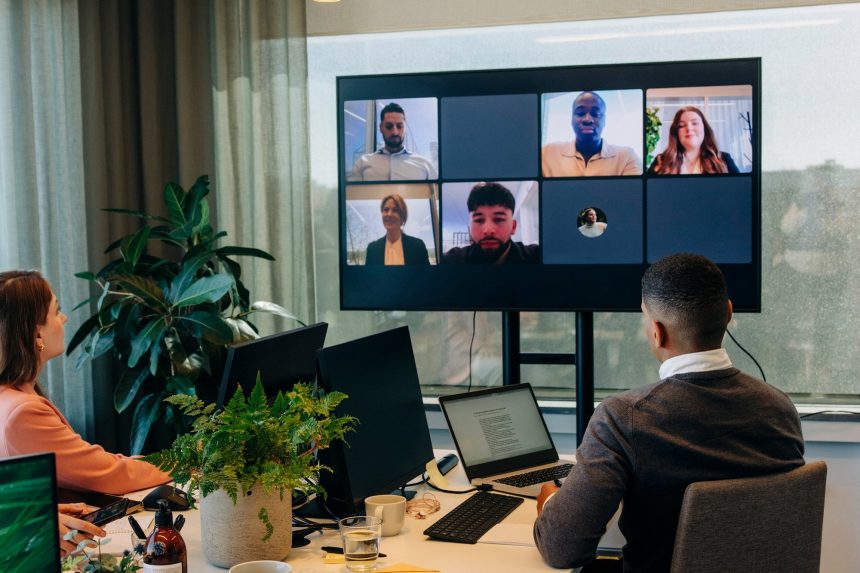
With all the new work trends, there is a lot of workspace confusion going on. Employees don’t know whether they should be in the office, working from home, or a hybrid of the two. Often, companies don’t want to choose, so a hybrid approach seems to appease everyone. It’s easier for employers to manage people in an office, and it’s easier for employees to work from home.
But how does this disjointed hybrid trend impact employees? It creates a bifurcated workforce, which in turn creates two classes of employees: those who are in the office and those who aren’t. The challenges this setup creates are myriad, from company culture to inclusivity issues to productivity. When you’re in the middle, you’re trying to be both but aren’t the best at either.
Emerging research and surveys about remote work show how employees value the flexibility of working from home. There are also many positive benefits for both remote employees and employers. The decision to convert to a remote workforce should be clear, but unfortunately, many still don’t understand the benefits of this conversion.
Related: Salesforce CEO Marc Benioff Is Right. New Employees Are Less Productive in a Hybrid Work Setting — But Why?
Problems with hybrid work environments
Partially remote offices constantly face challenges and struggles when trying to work smoothly. Even though more guidelines are being suggested for hybrid work environments, they hinder productivity and create negative experiences for all.
For example, during company meetings with a mix of in-person and online employees, remote workers often find it difficult to voice their contributions and be heard. They are often talked over, not seen or potentially ignored.
Hybrid work arrangements can also create scheduling issues, feelings of exclusion and fewer opportunities to plan team-building activities, which degrade engagement. Eventually, trying to support both onsite and offsite workers just becomes complicated.
Remote versus in-office work
If hybrid isn’t the best option for your team, should you go in-office or remote?
Many leaders have long feared the downsides of remote work. First of all, new hires may miss the in-person benefits of sitting next to a peer and picking things up quickly. This just doesn’t work remotely. It requires reinventing onboarding and creating a more prescriptive process.
Another fear is losing company culture. Being in the office together creates social opportunities. A remote environment may focus more on upskilling and reskilling employees.
Even with these issues, remote work is proving to be the more advantageous option. Considerable time and money can be saved when people work remotely. The company may be able to save on office space, and employees don’t spend time commuting.
Retention rates generally soar with remote employees because they prefer working remotely. Human connection can be challenging, but integrating the right strategies prevents that outcome.
Related: They Say Remote Work Is Bad For Employees, But Most Research Suggests Otherwise — A Behavioral Economist Explains.
Managing a remote work environment
As uplifting as remote work is, it’s not perfect. There are elements that must be considered for remote employees. A successful remote culture requires intentional planning. You must recreate the office culture and replace in-person interactions with other meaningful ways to communicate.
Here are five strategies for remote teams:
-
Hold regular employee/supervisor one-on-ones: Employees want managers to have an interest in their careers and well-being, and these meetings help nurture relationships.
-
Manage by objective, not by sight: We’re used to physically seeing people work, and hours once translated into effort versus outcome. Now, a modern approach must manage outcomes and performance with clear, achievable KPIs.
-
Hold many team meetings: It’s harder for people to get to know each other virtually. There is no water-cooler conversation. So, you have to be intentional about structuring time for people to connect and optimize collaboration.
-
Encourage proactive development discussions: In the office, career trajectories are clear and career paths happen naturally. For remote work, consider it a tour of duty, where you prepare someone for their next role (preferably within the company), fostering trust and transparency to reduce surprise resignations.
-
Prioritize access to information: Maintain a platform that facilitates communication and provides access to information fairly and equitably.
Combine these steps to create a well-connected remote culture. Then, ensure everyone is aligned with the company’s purpose and vision, a key component of a thriving virtual workforce.
Related: How to Build a Thriving Organizational Culture in a Remote Workplace
Aligning remote teams through purpose
Establish a culture where everyone is empowered to meet their potential by establishing purpose, vision, targets and goals. But what about purpose?
Connect each employee to their career path’s purpose, as well as the purpose of the leadership team and their peers. This creates better internal and external relationships, and employees are more likely to remain long-term.
Another way to align employees is by creating clear expectations. Each person needs to clearly understand company values, short-, medium- and long-term goals, and the remote work arrangement.
Existing employees, new hires and prospects will have a more thorough understanding of your culture and mission when you:
-
Clearly identify and document core processes.
-
Create evaluation systems and revisit them to ensure they’re growing as they learn.
-
Ensure new hires align with core principles and work styles.
Commit to consistently and actively asking for feedback from your teams. Always keep an open mind to keep evolving.
Remote work will replicate an office environment. But embracing its strengths and reinventing the meaning of a positive company culture will help you engage and retain employees. Avoid the two classes of employees that hybrid environments create. Level the playing field with a fully remote team.
Don’t sit in the middle. It’s expensive and negatively impacts your team.
Read the full article here